Pew Pew Madafakas Embroidery Design Review
First Impressions: A Playful Yet Functional Design
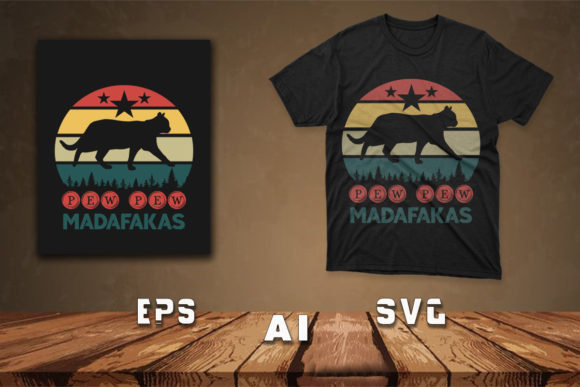
When I first opened the Pew Pew Madafakas embroidery design file, I was struck by its bold personality. The cat illustration radiates a sense of fun and irreverence, making it instantly appealing for those who want to add a bit of edge to their embroidery projects. The layout is clean, with well-defined vector shapes that give it a modern feel. It’s clear this design was made with both visual appeal and practicality in mind.
The use of 100 vector shapes makes it easy to customize colors or adjust elements without losing quality. This flexibility is especially valuable for craft business owners or Etsy sellers looking to create unique variations of the same base design. The ability to change colors quickly means you can tailor it to different products or customer preferences without starting from scratch.
Real-Life Scenario: Custom Embroidered Tote Bag
Let’s imagine using Pew Pew Madafakas on a custom embroidered tote bag. As someone who often creates personalized items for small shops and boutique brands, I know how important it is for the design to stand out while still feeling cohesive with the product.
This design would work beautifully on a large tote bag where the scale allows the cat to be fully visible. The playful nature of the phrase “Pew Pew Madafakas” pairs well with casual, everyday items like tote bags or even sweatshirts. The detail level is just right—not too intricate that it becomes overwhelming, but enough to catch the eye and add character.
I can see this design being a hit at craft fairs or as part of a holiday gift collection. Its humor and edginess make it perfect for younger audiences or those who appreciate a more rebellious aesthetic. It’s also versatile enough to be used as an embroidered patch or custom apparel piece, depending on the project.
Performance in Real Embroidery Projects
Pew Pew Madafakas has a good balance of detail and simplicity that works well across various materials and surfaces. On a t-shirt, the design stitches cleanly, with clear outlines and fill areas that don’t get lost in the fabric texture. For sweatshirt embroidery, it holds up well, especially when using proper stabilizer and thread colors that contrast with the garment.
On lighter fabrics like cotton or linen, the design shines, but it might need some extra attention on darker fabrics to ensure the colors pop. I’d recommend testing the design on a scrap piece of fabric first to check stitch density and color visibility. If the background is dark, adjusting the thread colors could help maintain the visual impact.
For baby embroidery or nursery decor, this design might be a bit too edgy unless paired with other softer elements. However, it could be a great choice for holiday embroidery or personalized gifts aimed at older teens or adults.
Where to Use with Caution
While Pew Pew Madafakas is a strong design, there are certain situations where it might not perform as well. For example, on very small hoop sizes, some details might get lost, especially if the design includes tiny lettering or intricate patterns. In these cases, simplifying the design or using a larger hoop size is recommended.
Similarly, if you're working with stretchy or thin fabrics, extra stabilizer will be necessary to prevent puckering or distortion. The design’s detail level might also pose challenges on curved surfaces like caps or hats, where alignment and tension become more critical. For such applications, testing on a sample piece before committing to a full project is always wise.
Design Notes for Embroidery Professionals
If you’re planning to use Pew Pew Madafakas in your commercial embroidery projects or sell finished items, there are a few key points to consider:
- Test on Scrap Fabric: Always test the design on a scrap piece of fabric before moving forward with a final product. This helps identify any potential issues with stitch density or color visibility.
- Check Thread Contrast: Make sure the thread colors you choose provide good contrast against the fabric background, especially on dark or textured materials.
- Review Stitch Density: Ensure that the stitch density is appropriate for the fabric type and intended use. Too dense, and the fabric may pucker; too sparse, and the design may look incomplete.
- Confirm Licensing: Before selling finished products or digital versions of the design, confirm the licensing terms to avoid any legal complications.
- Use Proper Stabilizer: Especially on delicate or stretchy fabrics, using the right stabilizer is crucial to maintaining the integrity of the design.
These steps are essential whether you're creating handmade products for personal use or preparing design assets for commercial sale. Taking the time to review and prepare the design properly ensures a professional result that customers will appreciate.
Final Thoughts: A Versatile Addition to Your Portfolio
Pew Pew Madafakas is a fun, expressive design that adds a touch of personality to any embroidery project. Whether you're crafting personalized gifts, building a small shop product line, or exploring new digital embroidery files, this design offers a lot of creative possibilities.
With its adaptability, clear structure, and playful theme, it's a solid choice for crafters, apparel decorators, and creative entrepreneurs. Just be mindful of the practical considerations when applying it to different materials and surfaces. When used thoughtfully, Pew Pew Madafakas can elevate your embroidery work and bring a smile to your customers' faces—just as it did to mine during the review process.